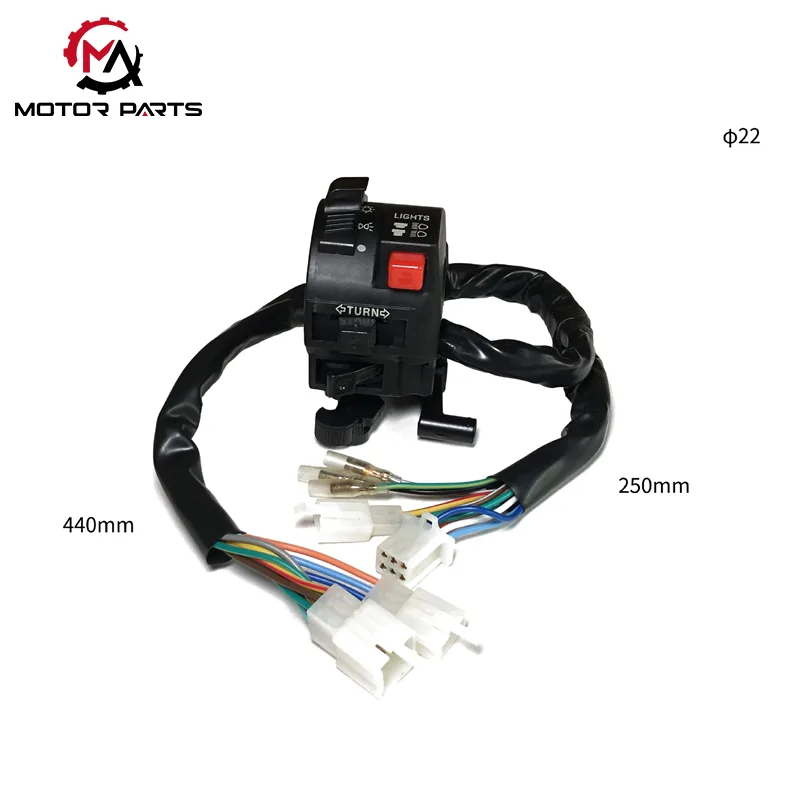
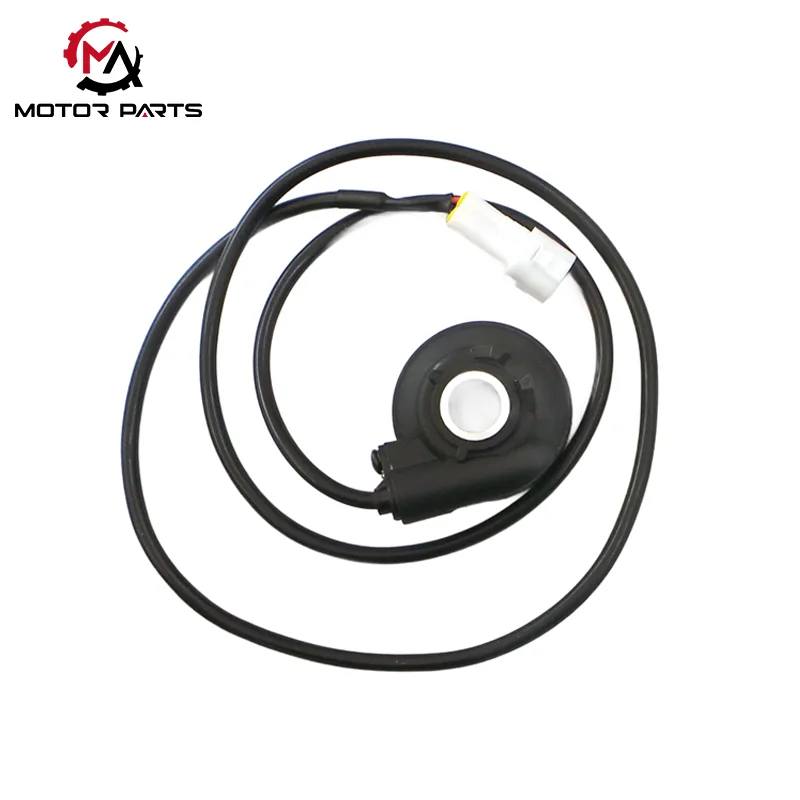
The intelligent motorcycle instrument developed by Max Trading reshapes the industry standard with full scene data visualization technology: equipped with an 800 × 480 high-definition negative display LCD screen, it supports synchronous dynamic display of 12 core parameters such as speed, battery level, and tire pressure. Through extreme environmental adaptability optimization, the data refresh response speed remains at the 0.1 second level within a wide temperature range of -30 ℃ to 70 ℃. The supporting sensor group demonstrates cutting-edge performance: the tire pressure sensor has an accuracy of ± 0.1bar, which is a professional level, and the acceleration sensor uses 100Hz high-frequency sampling technology to achieve a 40% increase in measurement accuracy compared to traditional products. The system is fully compatible with mainstream motorcycle interfaces such as Honda and Yamaha, providing global users with a plug and play intelligent upgrade solution.
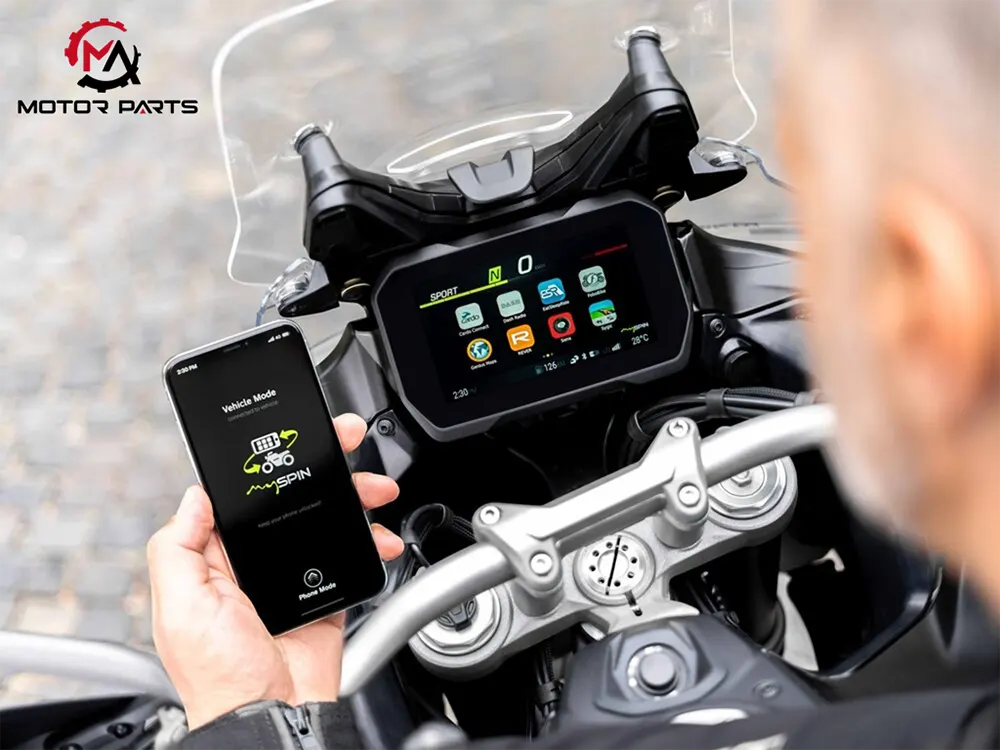
The motorcycle instrument and sensor system, as the "nerve center" of vehicle operation, consists of three core components: sensor module (information acquisition unit), instrument display module (information visualization terminal), and data transmission bus (high-speed communication link), forming a complete data loop of "real-time sensing intelligent processing accurate presentation". Among them, the sensor module captures key operating parameters such as vehicle speed, engine speed, and fuel remaining in real time through precise sensing elements; The instrument display module utilizes advanced human-computer interaction technology to convert collected data into intuitive and understandable visual information; The data transmission bus, with its efficient communication protocol, ensures that the interaction delay of data between the two modules is controlled within 100 milliseconds, allowing riders to quickly obtain the vehicle's operating status and ensuring cycling safety and handling experience.
Motorcycle instrument display module: iteration from mechanical to intelligent
Instrument type and characteristics
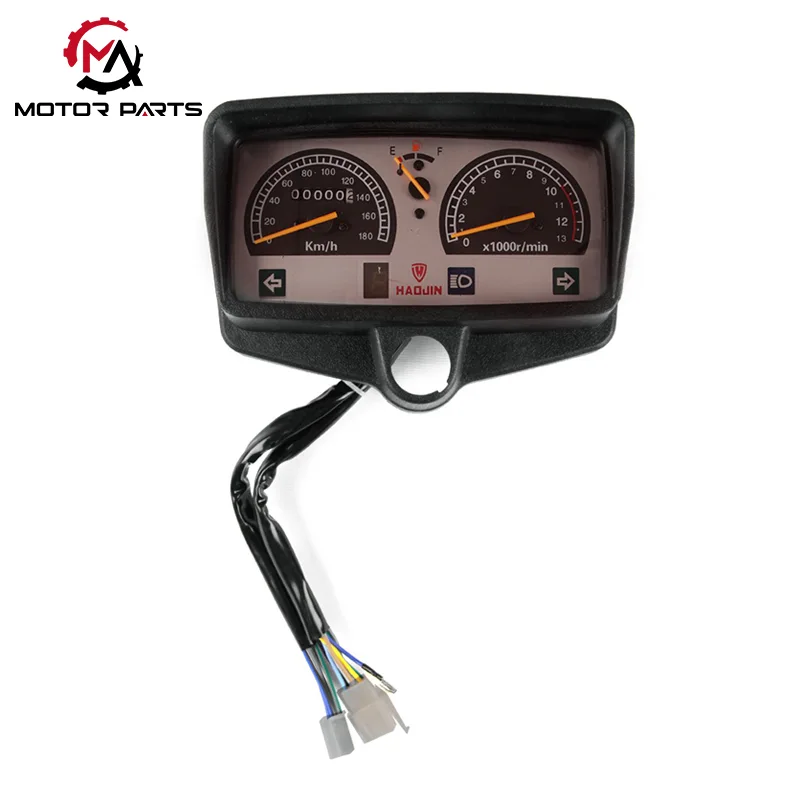
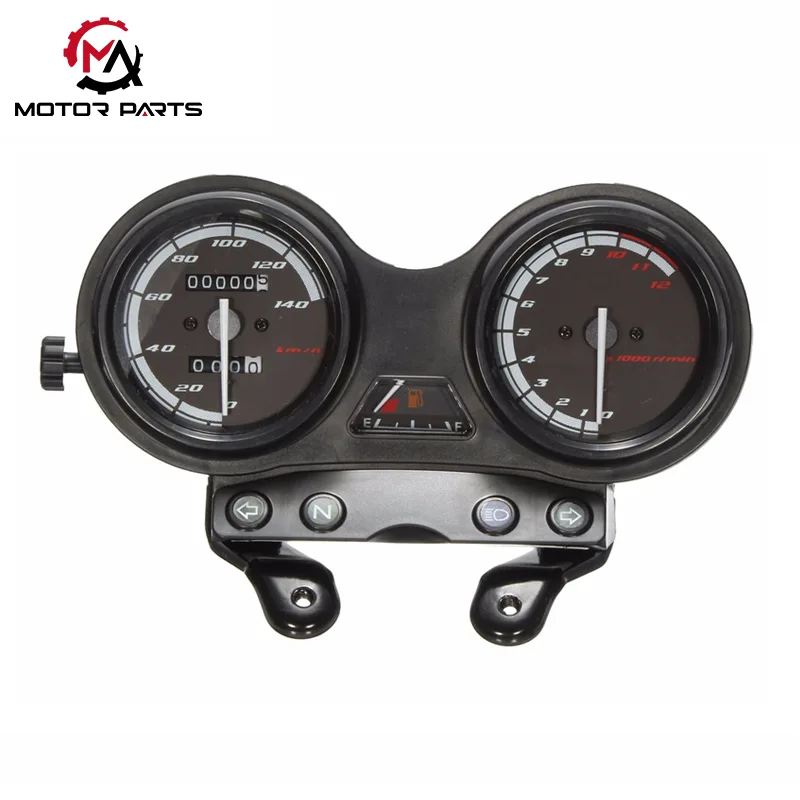
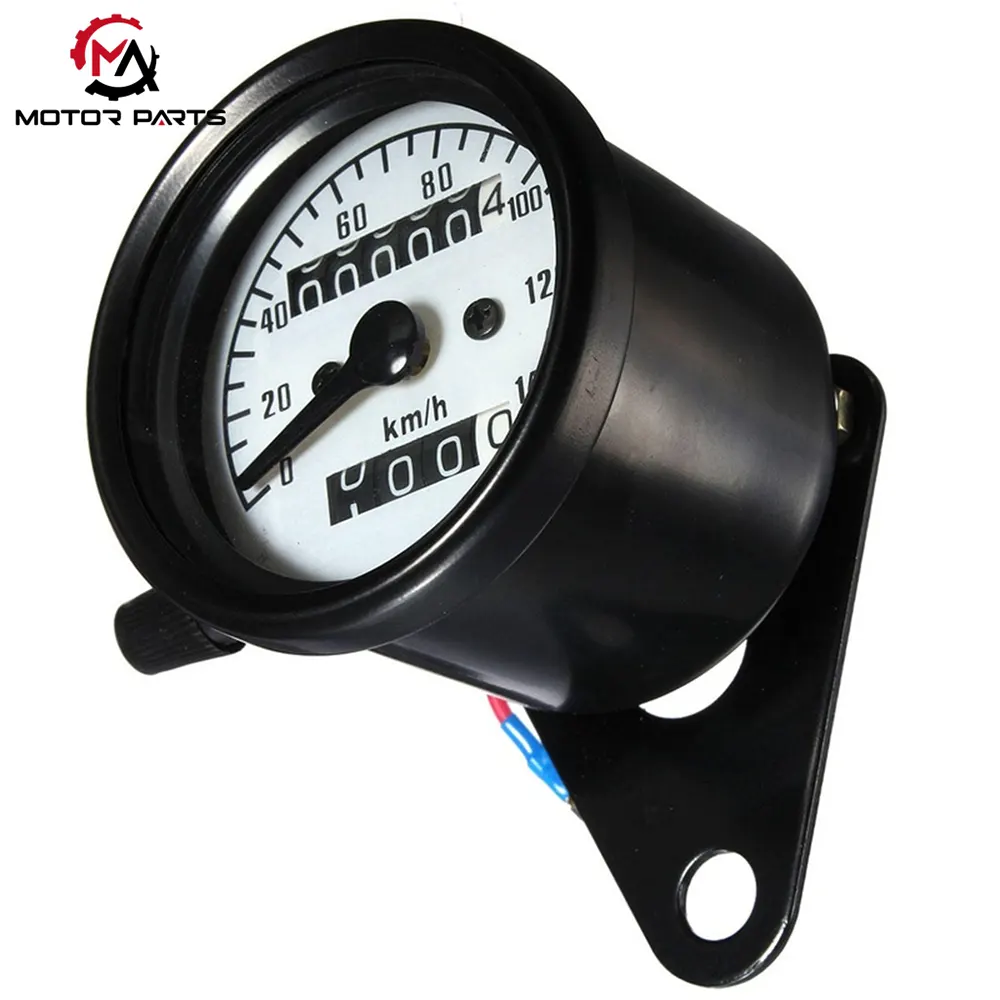
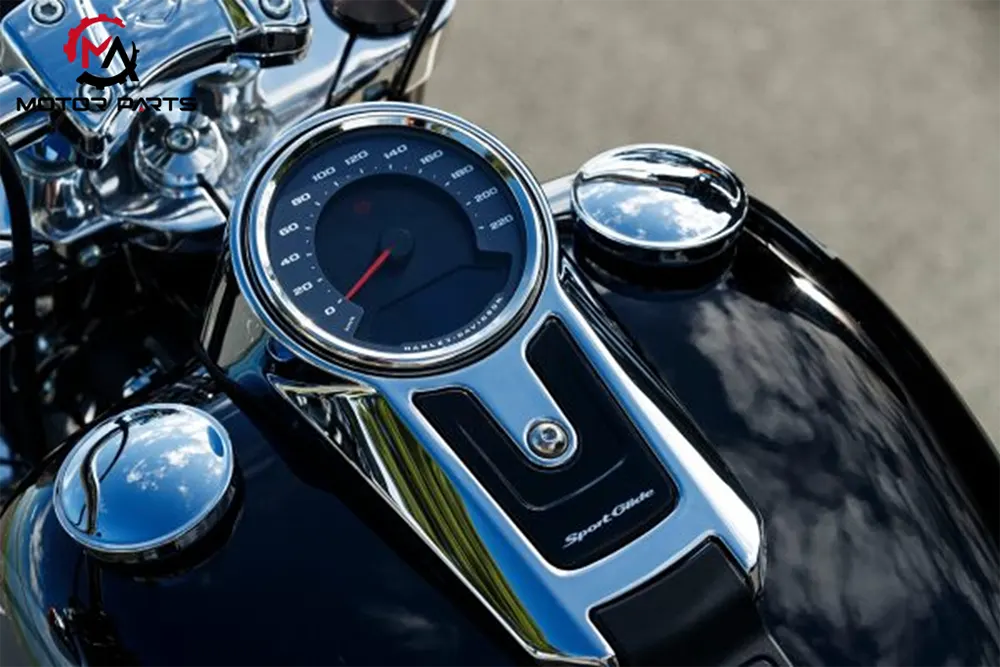
Motorcycle mechanical pointer instrument: As an iconic feature of traditional motorcycles, the mechanical pointer instrument consists of a tachometer, speedometer, fuel gauge, and water/oil temperature gauge. It relies on a stepper motor to drive the pointer and presents data with intuitive physical scales. This solution, with an ultra-low failure rate of less than 0.5% and cost advantages, has become the preferred choice for commuting models such as Honda CB190R and Yamaha Tianjian 150. However, limited by its mechanical structure, its display function is relatively single, making it difficult to integrate modern intelligent functions. Moreover, under high-speed conditions, the problem of 50-100ms reading delay caused by pointer inertia is particularly evident.
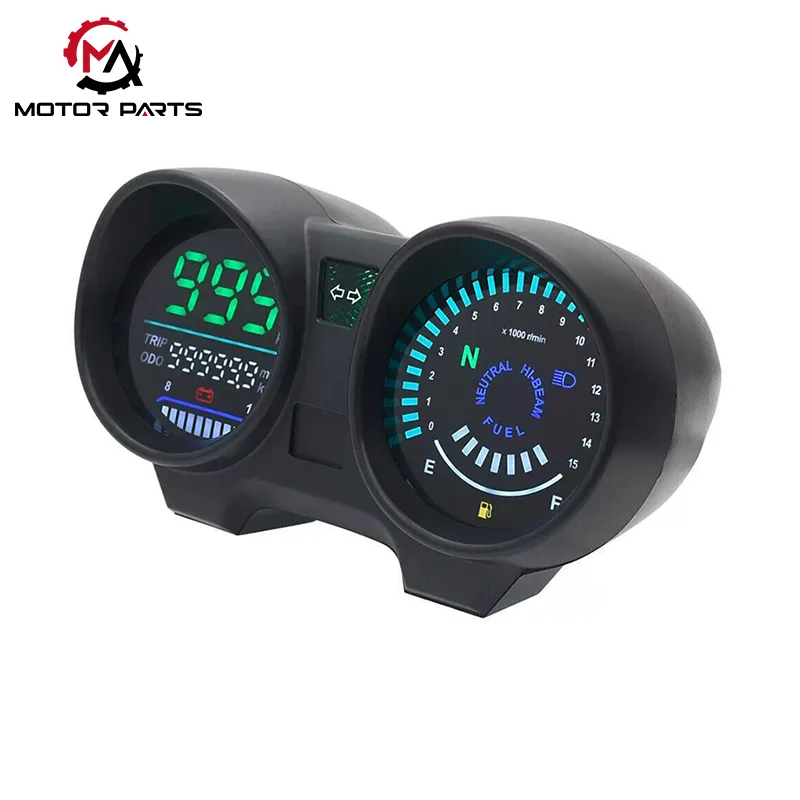
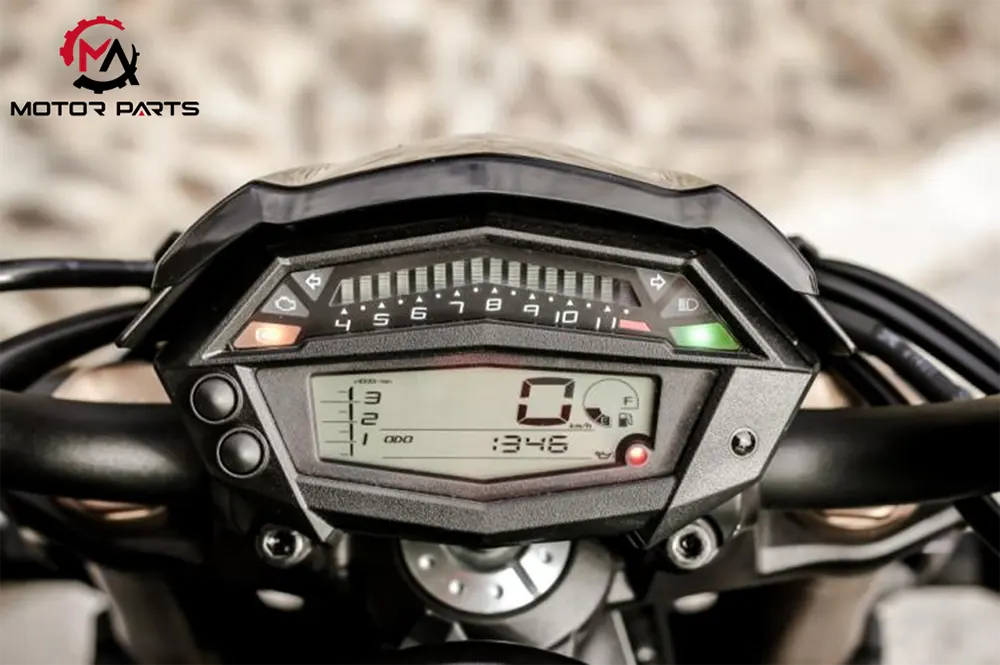
Motorcycle LCD instrument panel: divided into two types: segmented code and dot matrix. The segmented LCD adopts a fixed pixel array and can only display basic parameters such as vehicle speed, rotation speed, and fuel level. Due to its minimalist structure and extremely low power consumption (standby current<10mA), it is widely used in small displacement models below 125cc such as Suzuki GN125; The dot matrix LCD is equipped with a programmable display module, which not only supports practical functions such as total mileage, one-way recording, and maintenance reminders, but also enables real-time diagnosis of fault codes. The models represented by the Spring Breeze 250SR are equipped with an adaptive backlight adjustment system, which can automatically optimize the display effect according to the ambient light intensity.
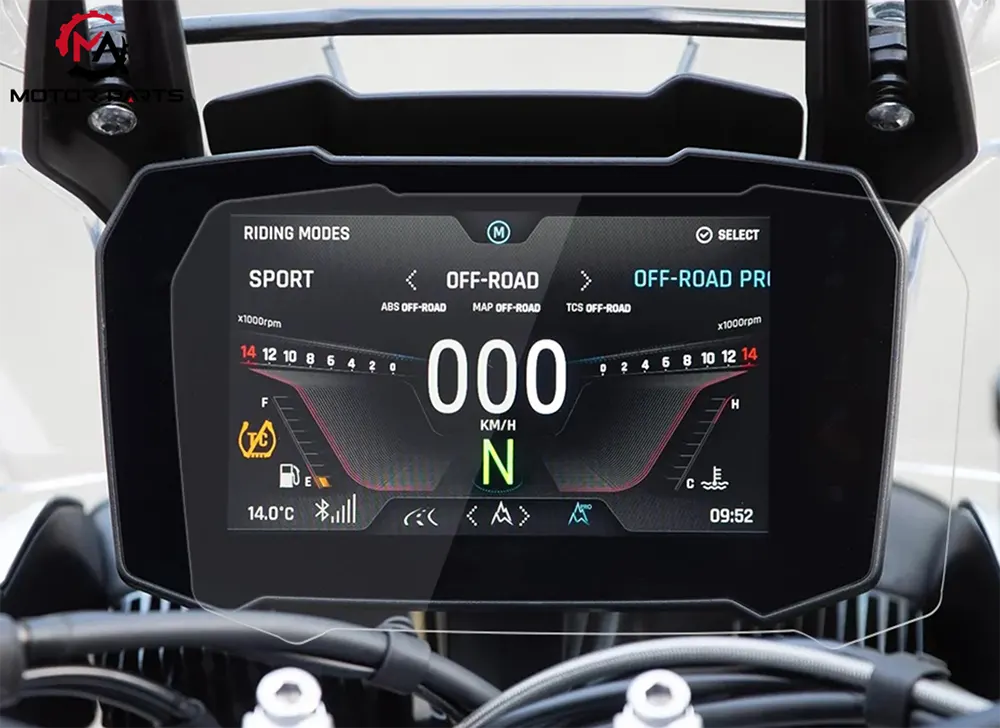
Motorcycle full-color TFT instrument: With thin film transistor technology, full-color TFT instrument has become a standard configuration for high-end motorcycles, with a common resolution of 480 × 272 pixels or above, supporting dynamic interface switching and brilliant color display.
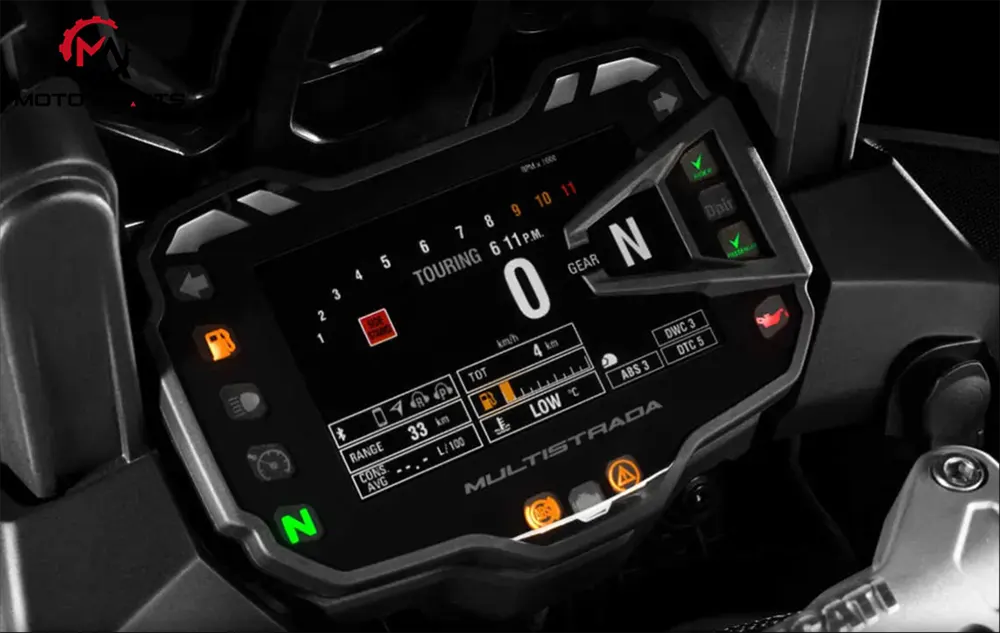
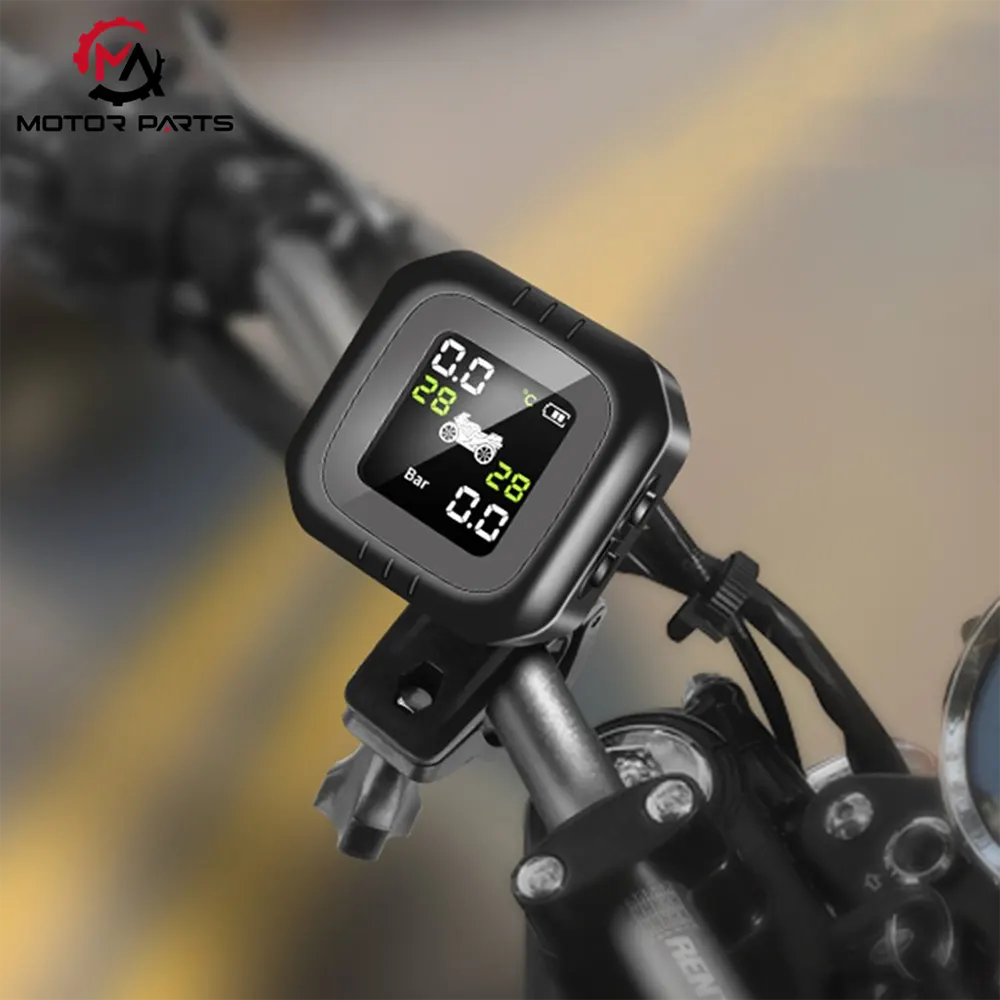
Its powerful scalability endows vehicles with intelligent interaction capabilities, enabling making and receiving calls, playing music through Bluetooth connection, and combining with mobile apps to achieve navigation and screen mirroring; Some models (such as BMW S1000RR and Ducati Monster 937) are more integrated with tire pressure monitoring systems, providing real-time feedback on vehicle status. With a touch response speed of less than 50ms, this technology is gradually penetrating the mainstream market from mid to high-end models such as Qianjiang Chase 600.
Adaptation scenarios for motorcycle instrument panel functions
Commuting scenario: It is recommended to use segmented LCD or mechanical instruments to focus on displaying core data such as vehicle speed, fuel consumption, and mileage, in order to meet the information needs of daily short distance cycling. Taking the LCD instrument panel of Honda LEAD 125 as an example, its interface is simple and intuitive, with low power consumption and low maintenance costs, making it perfectly suitable for urban commuting scenarios.
Long distance motorcycle travel scenario: The full-color TFT instrument panel is undoubtedly the best choice. This type of instrument not only has basic display functions, but also supports navigation screen projection and intelligent estimation of range (accurate calculation through fuel consumption data). Some models also integrate atmospheric pressure sensors, which can convert altitude in real time. The TFT instrument panel installed on the BMW R1250GS can display the corresponding range of remaining fuel in real time, effectively alleviating fuel anxiety in the course of long-distance cycling and providing comprehensive information support for motorcycle travel.
Sports competition scenario: For sports cycling that pursues speed and handling, the instrument panel should highlight key parameters like speed, speed, and gear. Some high-end motorcycle TFT instruments are equipped with a "sport mode" interface, which can enlarge the tachometer display and is equipped with a shift indicator light - when the engine speed closes the red line area, the indicator light will automatically light up to assist the driver in accurately grasping the shift timing. Taking the TFT instrument panel of Yamaha YZF-R6 as an example, it supports custom display parameter layout, and drivers can flexibly adjust it according to the characteristics of the track, fully meeting the demanding requirements of competitive cycling.
Motorcycle Sensor Module: Multi dimensional Vehicle Condition Data Collection
Types and functions of motorcycle sensors
Motorcycle speed sensor: Currently, mainstream products use electromagnetic induction and Hall effect, usually installed at the crankshaft or camshaft position of the engine. Electromagnetic induction sensors achieve high-precision speed calculation by capturing the pulse signals generated by the cutting magnetic lines of gear teeth, with an accuracy of up to ± 10rpm; Hall effect sensors use magnetic field changes to trigger switch signals, making them particularly suitable for high-performance sports motorcycles with speeds exceeding 12000rpm, such as the Honda CB series and Yamaha R1, which are widely used.
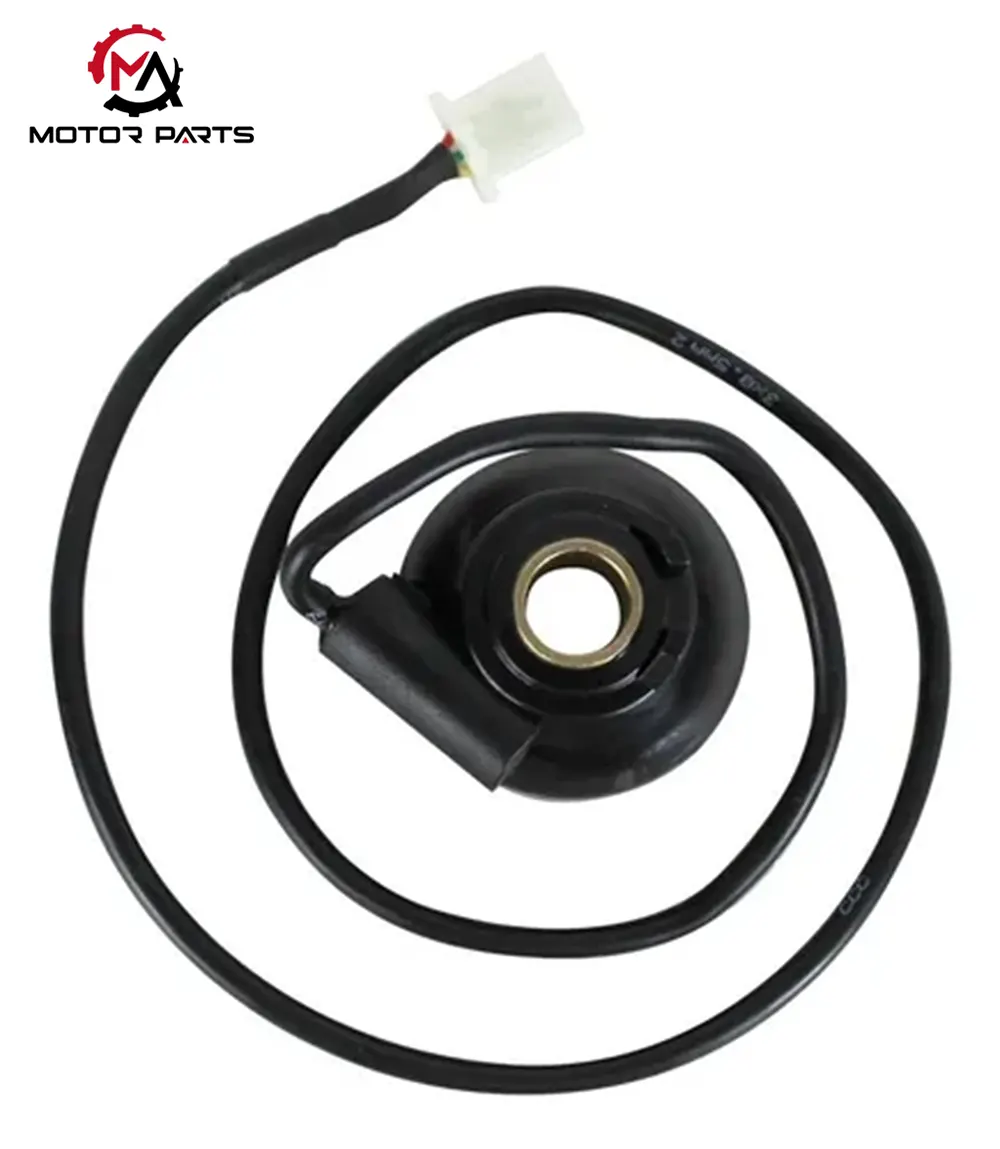
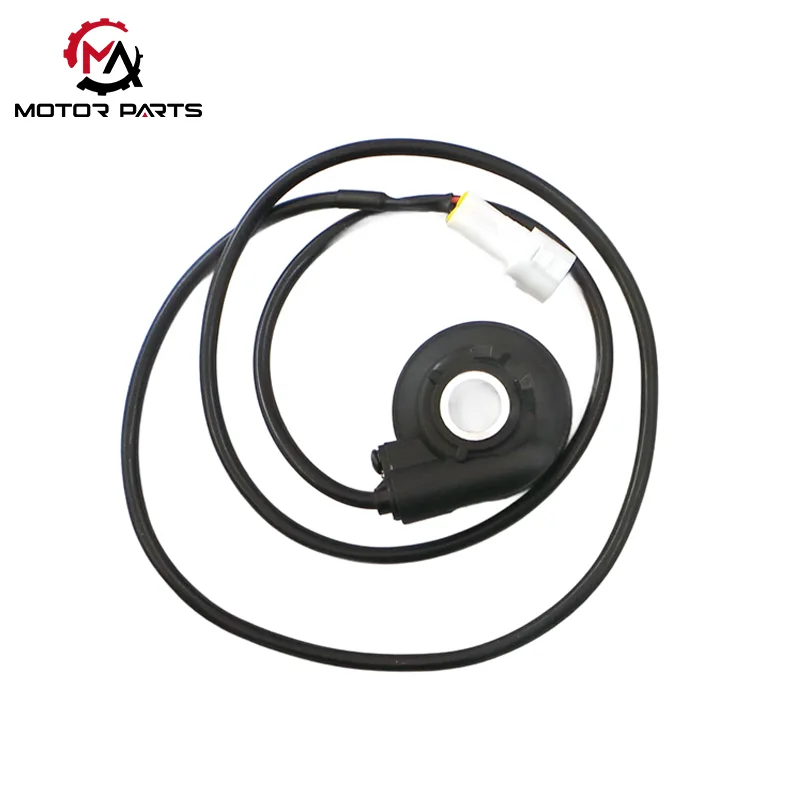
Vehicle speed sensor: This type of sensor can be subdivided into wheel speed type and transmission output shaft type. Wheel speed sensors are generally installed on the front or rear wheel hub, creating pulse signals through the relative motion between the gear ring and the sensor. After conversion, the vehicle speed data is obtained with an accuracy of ± 1km/h. It is worth noting that such sensors need to work in conjunction with the ABS system to calibrate wheel diameter errors; The transmission output shaft sensor detects the output shaft speed and calculates the vehicle speed by combining it with the transmission ratio, which can effectively avoid reading deviation caused by tire slip. It is highly favored in the field of off-road motorcycles, such as the KTM EXC series.
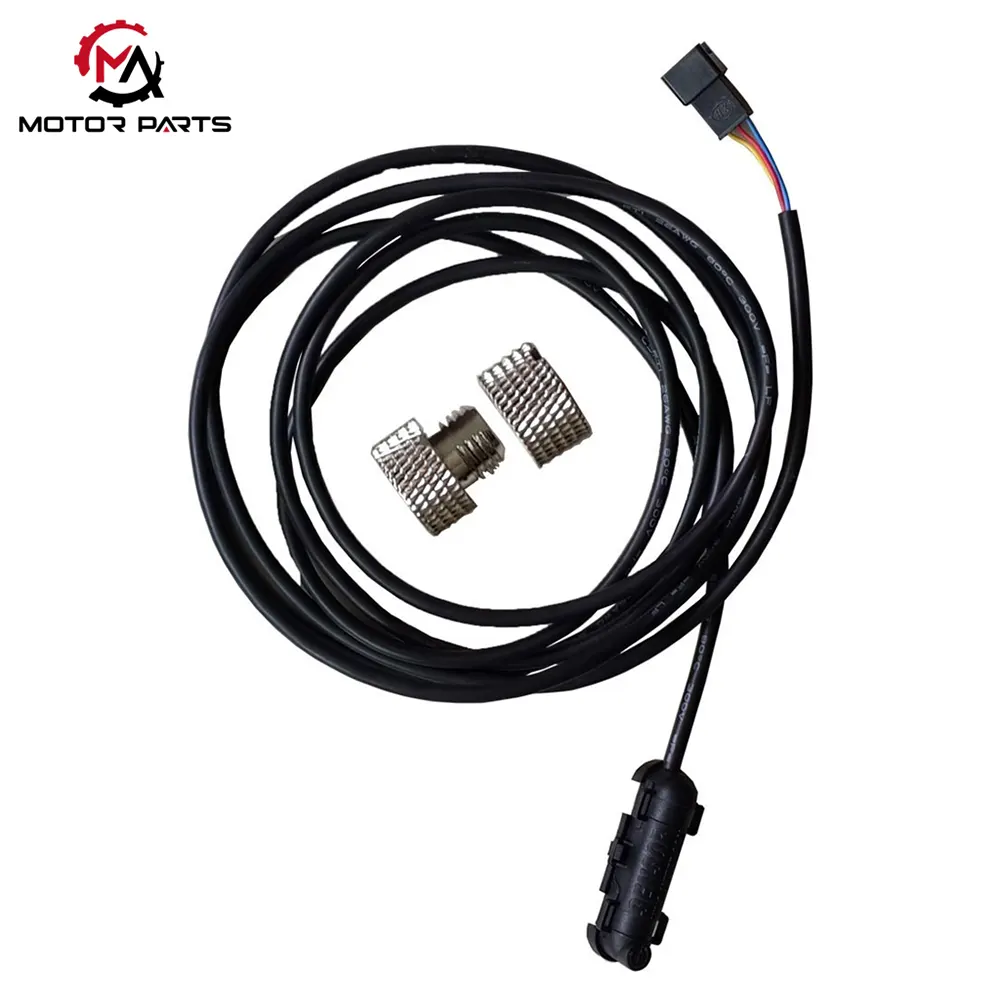
Motorcycle fuel level sensor: Most products on the market adopt a variable resistance design, usually installed on a float inside the fuel tank. As the fuel level in the tank changes, the float drives the resistance value to change. The instrument detects the current change and converts it into a percentage of the fuel level. In high-end models such as the BMW R1250GS, capacitive sensors have been applied, which improves measurement accuracy to ± 2% and significantly reduces the impact of temperature changes on measurement results (traditional resistive sensors have an error of about ± 5%).
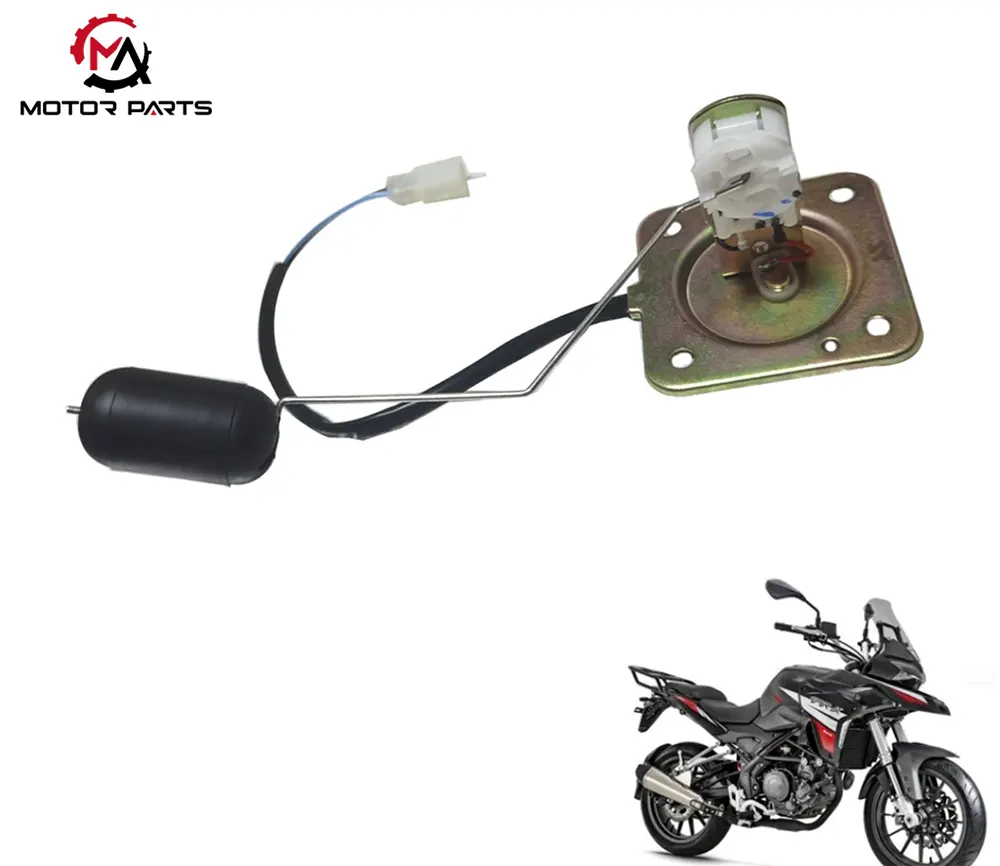
Motorcycle temperature sensors: mainly include engine water temperature sensors (suitable for water-cooled vehicles) and oil temperature sensors (suitable for air-cooled vehicles), both of which use negative temperature coefficient (NTC) thermistors. The water temperature sensor is installed in the engine water jacket, while the oil temperature sensor is set in the oil tank or oil passage. As the temperature increases, the resistance of the thermistor decreases, and the instrument displays real-time temperature data based on this (normal operating range: water temperature 80-100 ℃, oil temperature 60-120 ℃). Once the threshold is exceeded, the alarm system will be immediately triggered.
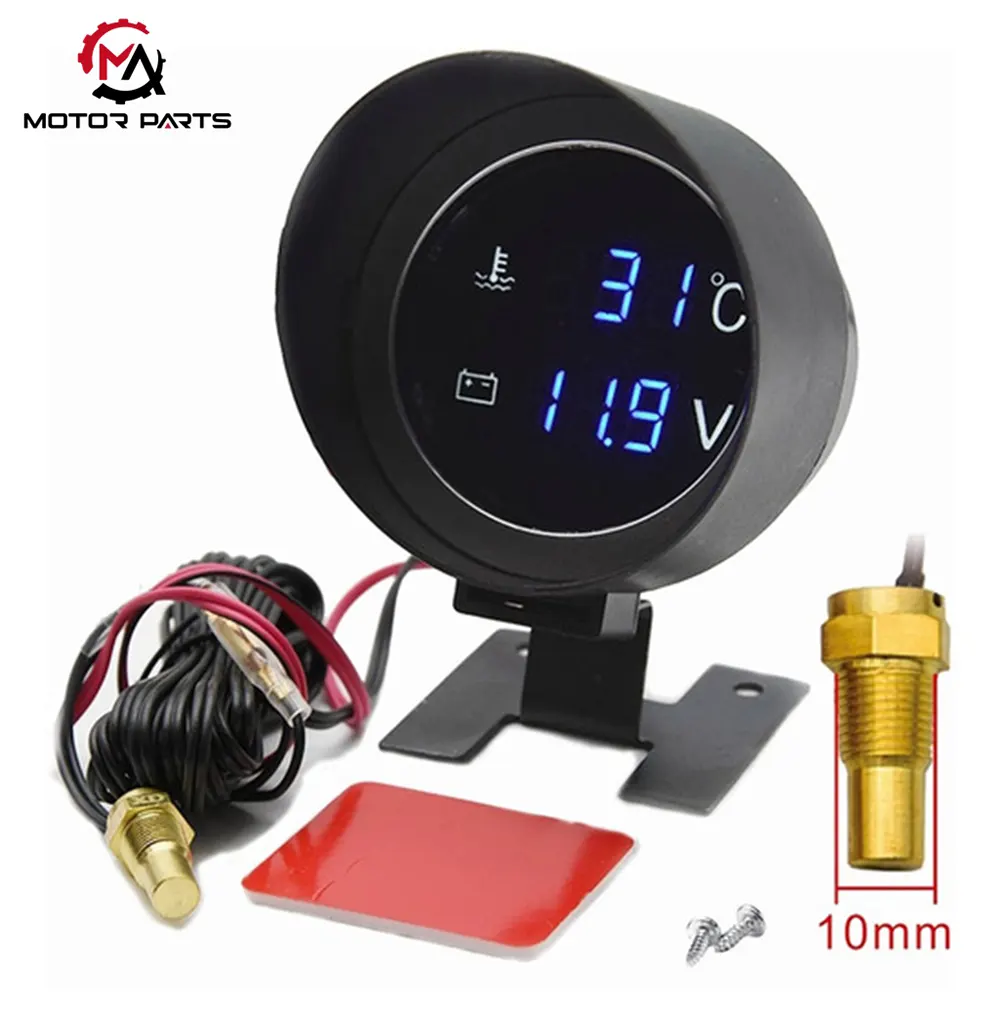
Motorcycle pressure sensor: mainly used to monitor oil pressure and brake oil pressure. The oil pressure sensor is installed in the main oil passage of the engine, and common types contain piezoelectric and strain gauge sensors. When the oil pressure is below 0.2 MPa (idle state) or above 0.8 MPa (high-speed operation), the sensor will trigger an alarm to avoid damage to the engine because of insufficient lubrication; The brake oil pressure sensor is mainly used in vehicles equipped with ABS systems, installed in the front and rear brake master cylinders. It detects changes in oil pressure to determine brake action and works in conjunction with the ABS system to achieve anti lock braking control.
Performance parameters of motorcycle sensors
|
Sensor type
|
Measurement range
|
Precision
|
Working temperature range
|
Representing compatible vehicle models
|
|
Speed sensor
|
0-15000rpm
|
±10rpm
|
-40-125℃
|
Yamaha R1, Honda CB650R
|
|
Vehicle speed sensor
|
0-220km/h
|
±1km/h
|
-30-85℃
|
KTM EXC、Suzuki GSX250R
|
|
Fuel level sensor
|
0-100%(fuel level)
|
±2%-±5%
|
-20-80℃
|
BMW R1250GS, Harley Davidson Breakthrough
|
|
Temperature sensor
|
-40-150℃
|
±1℃
|
-40-150℃
|
Kawasaki Ninja 400、Ducati Panigale V4
|
|
Pressure sensor
|
0-1.5MPa
|
±2%FS
|
-40-125℃
|
Honda CBR1000RR-R, Triumph Speed Triple 1200
|
The evolution of motorcycle instrument and sensor systems has always been closely related to the three core demands of "precise perception, intelligent interaction, and scene adaptation". From the single parameter display of early mechanical pointer instruments to the deep integration of full-color TFT LCD instruments with millimeter wave radar, tilt angle sensors, and temperature and humidity sensors, the system not only significantly improves cycling safety redundancy through real-time and accurate data feedback, but also provides customized information presentation solutions for diverse scenarios such as urban commuting, track competition, and off-road exploration. With the comprehensive coverage of vehicle networking technology and the continuous promotion of the new energy wave, the future system will break through the limitations of passive display, achieve a leapfrog upgrade of "active risk prediction and intelligent strategy generation", and build a more forward-looking cycling ecosystem.